Zinc Dross Recovery and Why High Zinc Content Matters
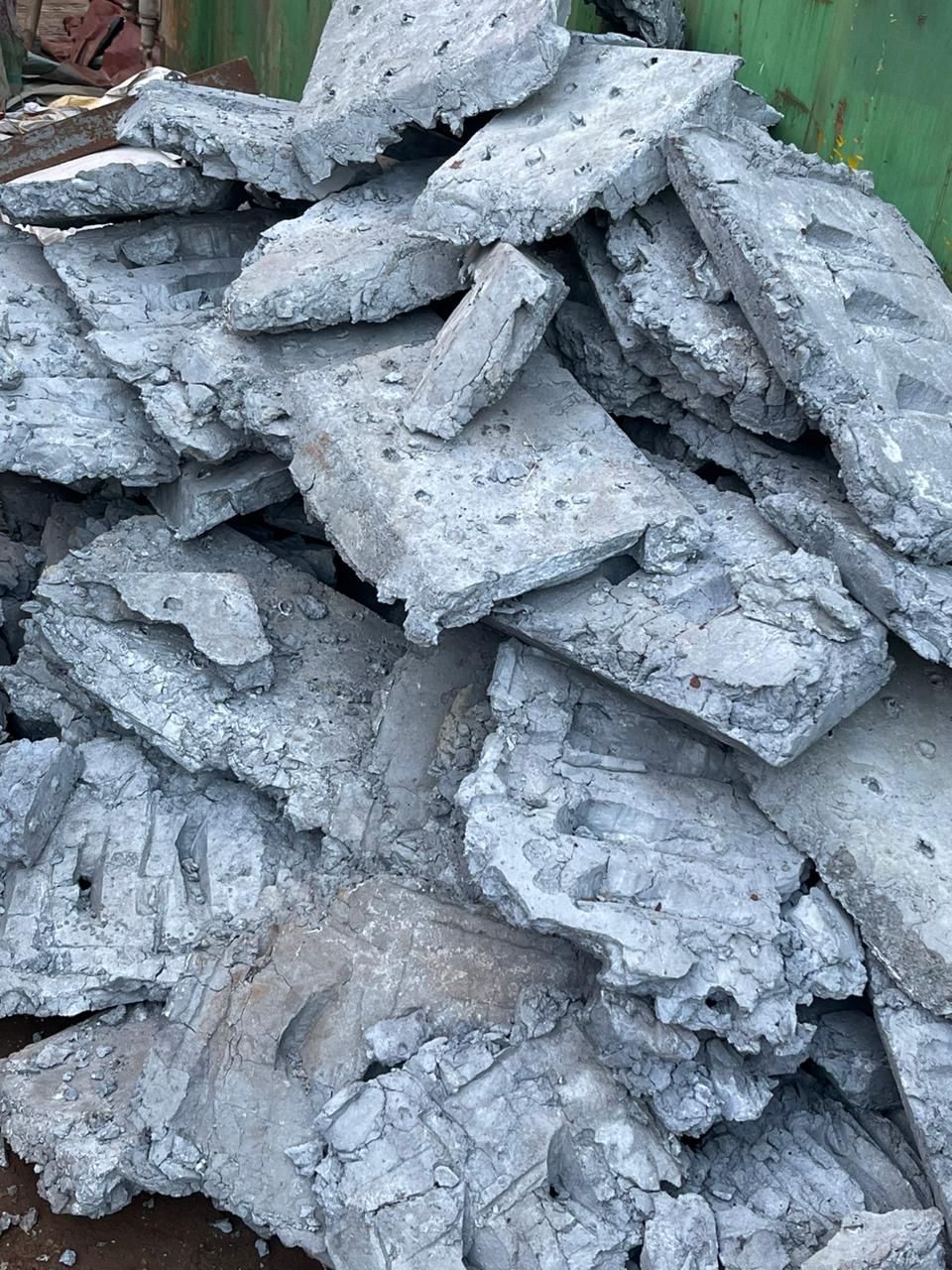
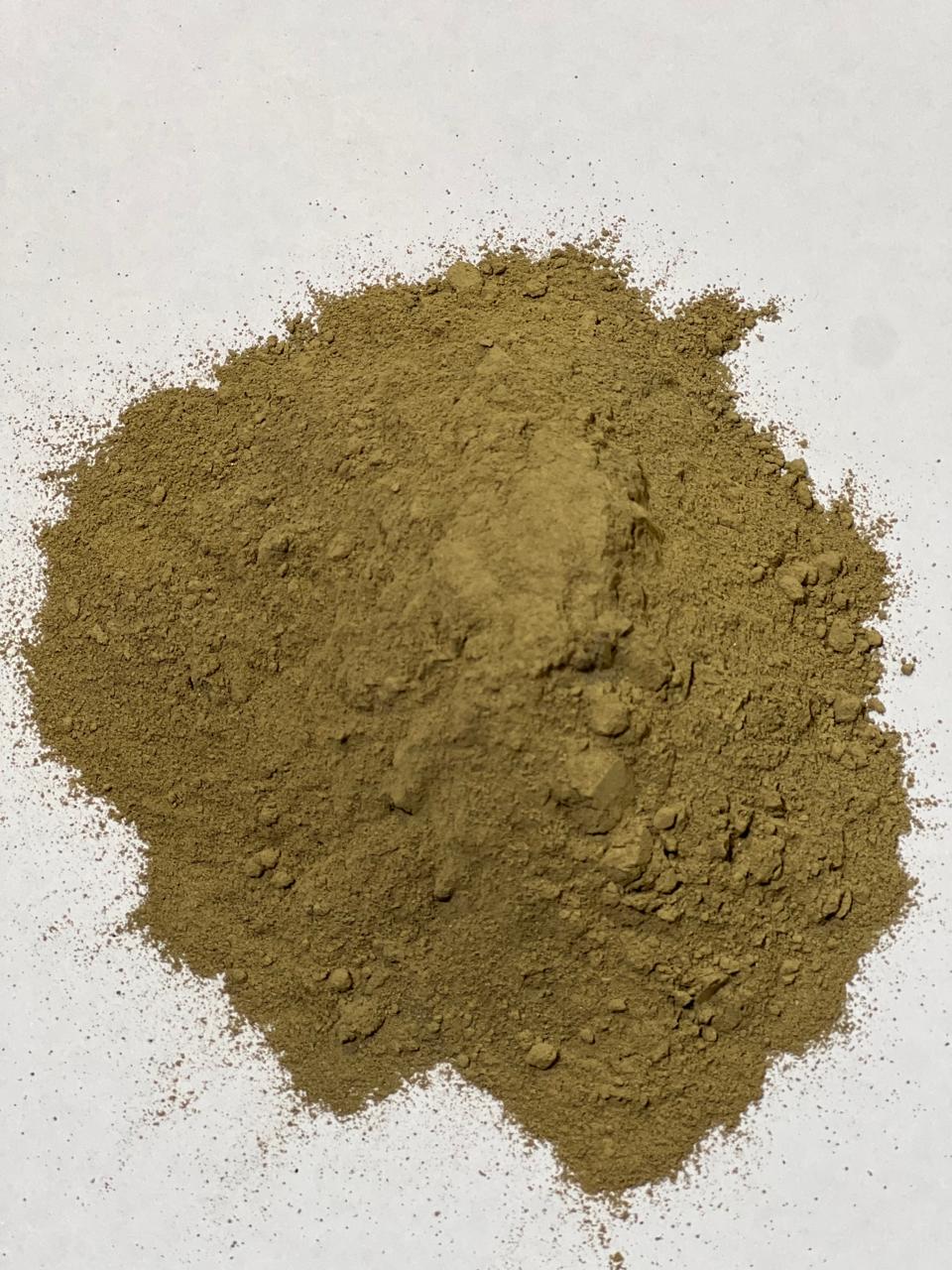
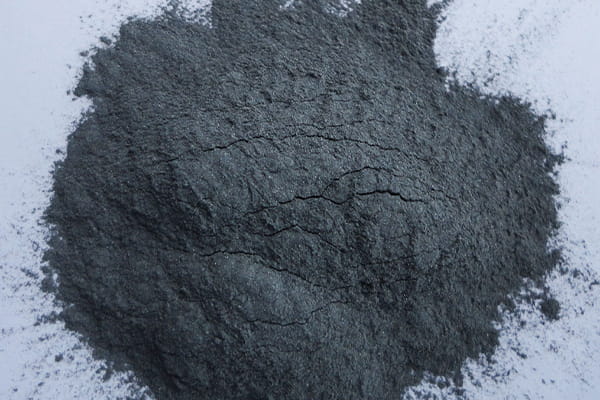
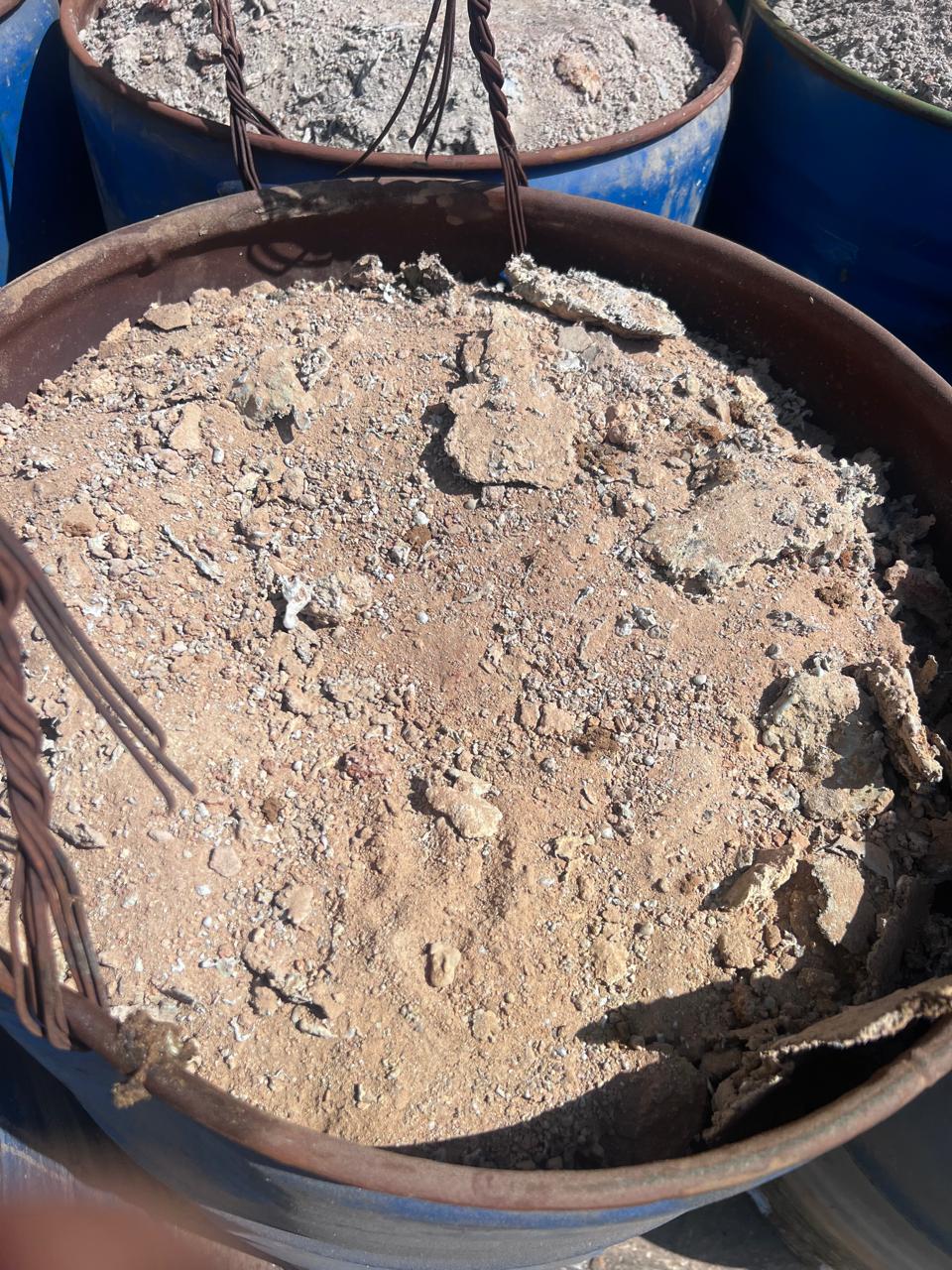
Zinc dross is often searched alongside zinc skimmings, zinc ash and secondary zinc feedstock. High-grade dross can be attractive because it contains a large percentage of recoverable zinc.
Dross as a zinc-rich by-product
Zinc dross forms during molten zinc operations and can retain significant zinc value. Material in the 94-97% zinc range is especially useful for recovery and secondary manufacturing.
Applications in alloy and remelting routes
Processors may use zinc dross for reclaiming metallic zinc, alloy production or secondary zinc operations. The best route depends on physical form and impurity profile.
Buying criteria for dross
Ask for zinc percentage, form, sampling method, moisture, packaging and batch documents. High zinc content is important, but reliable analysis and clean handling are just as important.
What is zinc dross used for?
Zinc dross is used for zinc recovery, alloy production and secondary manufacturing.
Is zinc dross the same as zinc ash?
They are related zinc-bearing by-products, but form, zinc percentage and processing behavior can differ by source.
